For brands already advertising on Meta

One spec sheet. Several buyers. An ad for each one.

In a first sales meeting, good salespeople don't open with the demo.

They ask three things. Who it's for. When they need it. And what's holding them back.

I ask your product those same three questions before I write your Facebook and Instagram ads. Each answer becomes its own ad, with its own copy, creative, angle and hypothesis.

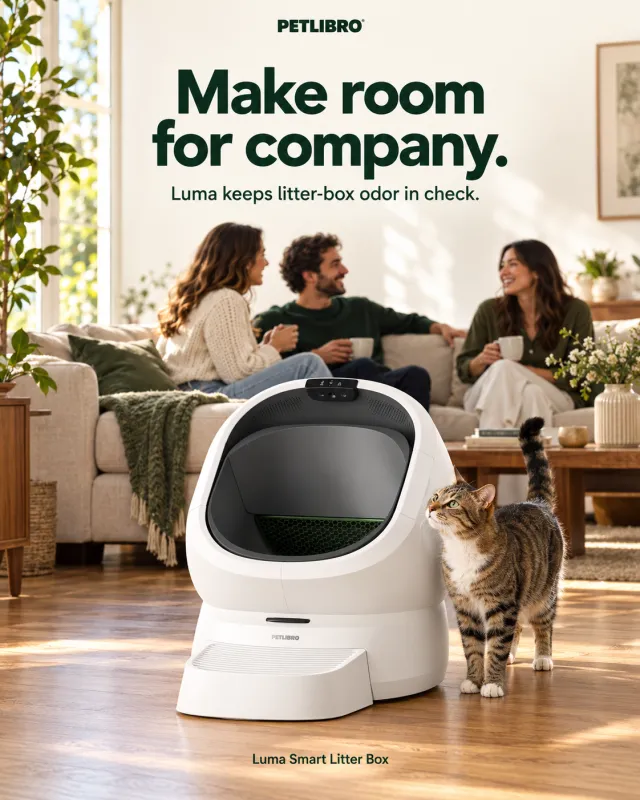
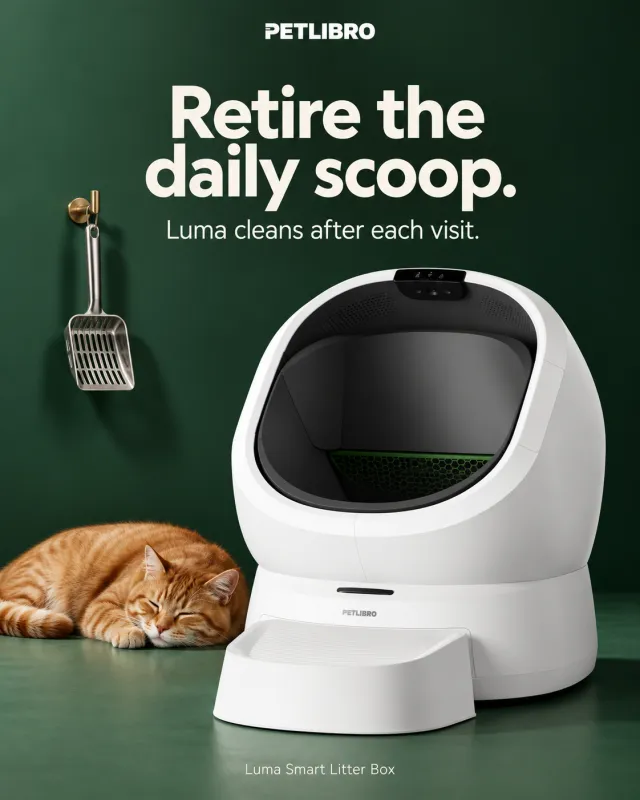
  • Ad for the Petlibro Luma Smart Litter Box. The white Luma against a dark green wall, with a metal litter scoop hanging on a hook and an orange cat asleep beside it. Text: 'Retire the daily scoop. Luma cleans after each visit.' Footer: 'Luma Smart Litter Box'.

    Petlibro · Luma Smart Litter Box

    Spec sheet Scoops after each visit into a sealed waste drawer.

    The reason Retire the daily scoop.

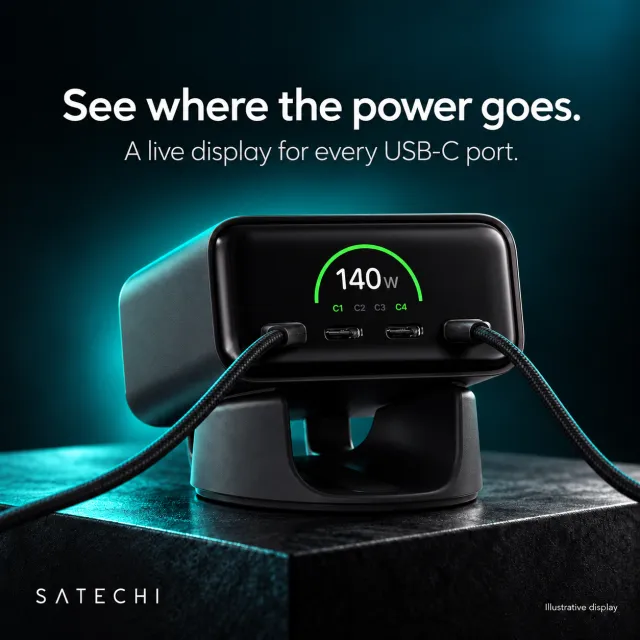
  • Ad for the Satechi ChargeView 140W Desktop Charger. The black charger on a dark plinth in teal light, with two braided cables plugged in and a screen reading 140W with ports C1 and C4 highlighted. Text: 'See where the power goes. A live display for every USB-C port.' Small print: 'Illustrative display'.

    Satechi · ChargeView 140W

    Spec sheet Four USB-C ports, 140W total, a per-port power display.

    The reason See where the power goes.

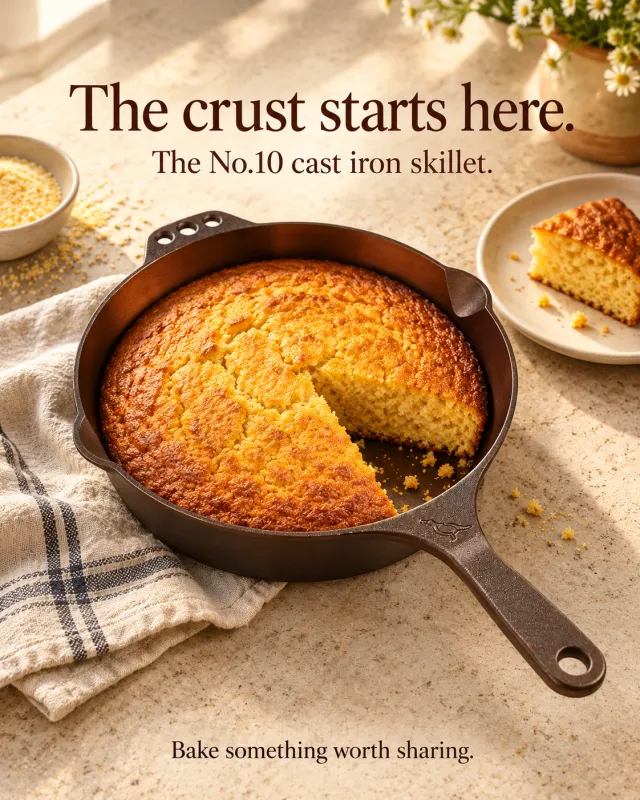
  • Ad for the Smithey No.10 Cast Iron Skillet. A golden cornbread in the bronze-polished skillet, with one slice cut and served on a plate beside it. Text: 'The crust starts here. The No.10 cast iron skillet. Bake something worth sharing.'

    Smithey · No.10 Cast Iron Skillet

    Spec sheet 10-inch polished cast iron, pre-seasoned.

    The reason The crust starts here.

Independent proposals. Not commissioned by these brands, and not campaign results.

A feature isn't a reason.

Look at the spec sheet of any product advertised on Instagram.

Automatic scooping. Four USB-C ports. Polished cast iron.

All true. But the person on the couch, scrolling with one thumb, isn't looking for automatic scooping…

They want to stop scooping the litter box every day.

That's the difference between a feature and a reason. And one spec sheet holds several reasons, one for each buyer.

What you get

Creatives that don't repeat the spec sheet. Each one has a different angle, with its hypothesis written next to it. When the data comes in, whoever runs your ads can read it as an answer to that hypothesis, not just as clicks on a photo.

One spec sheet, several buyers. Three examples.

Independent proposals. Not commissioned by these brands, and not campaign results.

PetlibroLuma Smart Litter BoxIndependent proposalOct 26, 2026

One litter box. Three different reasons to want it.

The Luma does several things. It scoops after each visit. It controls odor with a fan and a carbon filter. It logs each cat's visits.

But each feature matters to a different person. The owner who has friends over. The one tired of scooping every day. The home with two cats on different schedules.

So I made three ads, not one.
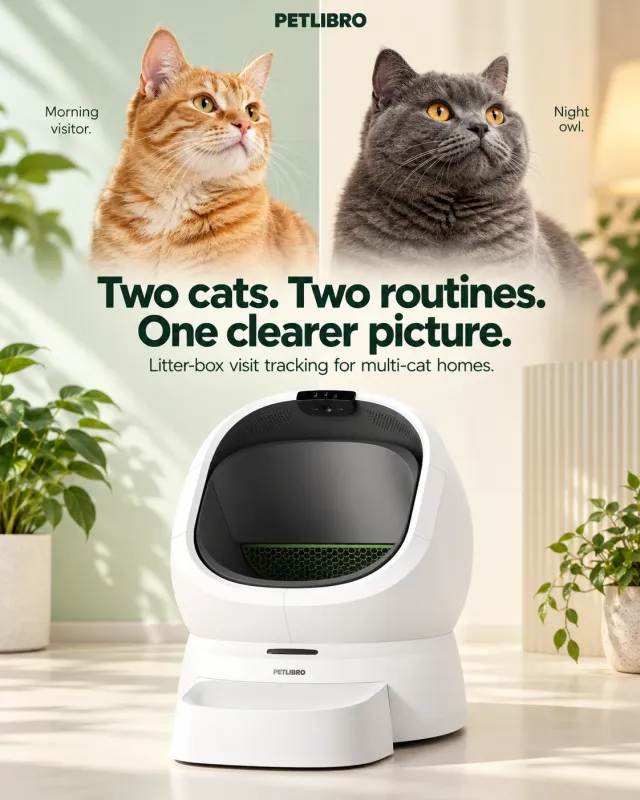
Ad for the Petlibro Luma Smart Litter Box. Portraits of an orange cat labeled 'Morning visitor' and a gray cat labeled 'Night owl' above the white Luma in a bright room. Text: 'Two cats. Two routines. One clearer picture. Litter-box visit tracking for multi-cat homes.'
Ad A · Petlibro
Question
Who's it for?
Angle
Homes with more than one cat, each on its own schedule.
Hypothesis
Two cats with different routines make visit tracking easier to picture than a list of features.
Opening line
"The early riser. The night owl."
Read the full ad

The early riser. The night owl. Sharing a litter box doesn't mean sharing the same routine.

Luma recognizes individual cats and keeps a log of litter-box visits, including time and duration. Basic visit tracking is available without a subscription.

For waste analysis, event recordings, and historical playback, a Video Cloud AI subscription is required. Luma provides information about routines, not a veterinary diagnosis.

Explore Luma for your multi-cat home.
Headline: Get a clearer picture of their routines. · Button: Shop Now

What I left out No promise that odor disappears, no health or veterinary claims and no price. The copy says you still empty the drawer, and that waste analysis and recordings need a paid subscription.

SatechiChargeView 140WIndependent proposalOct 26, 2026

Ad for the Satechi ChargeView 140W Desktop Charger. The black charger on a dark plinth in teal light, with two braided cables plugged in and a screen reading 140W with ports C1 and C4 highlighted. Text: 'See where the power goes. A live display for every USB-C port.' Small print: 'Illustrative display'.
Ad B · Satechi

A wattage is hard to picture. A live display isn't.

The ChargeView has four USB-C ports that share up to 140W, and a display that shows how much power each port is delivering.

But a total wattage is hard to picture, and a charging icon only tells you a device is connected.

So the ad puts the display at the center of the frame.

Question
What holds them back?
Angle
Not knowing how one charger splits its power across several devices.
Hypothesis
Seeing the display at work explains a shared 140W faster than the number alone.
What I left out
No claim of 140W on every port. The screen in the image is marked as illustrative, so no reading is passed off as a real test.
Read the full ad

A charging icon tells you a device is connected. ChargeView shows you how much power each port is delivering.

The live display puts power distribution in view while your laptop, phone and other USB-C devices charge.

Four ports. Up to 140W total. A clearer picture of your setup.

Explore ChargeView.

Link headline: Your charging, in view · Button: Learn more

SmitheyNo.10 Cast Iron SkilletIndependent proposalOct 26, 2026

Ad for the Smithey No.10 Cast Iron Skillet. A golden cornbread in the bronze-polished skillet, with one slice cut and served on a plate beside it. Text: 'The crust starts here. The No.10 cast iron skillet. Bake something worth sharing.'
Ad A · Smithey

The spec sheet says polished cast iron. The ad says cornbread.

The No.10 is a 10-inch skillet in polished cast iron, pre-seasoned and ready for the stovetop or oven.

But hungry people don't picture polished cast iron. They picture the first slice of something golden.

So the ad starts with what comes out of the pan.

Question
When is it for?
Angle
Baking day: cornbread and skillet cakes worth sharing.
Hypothesis
A finished bake shows what the skillet is for, alongside the unboxing video the brand was running.
What I left out
No non-stick or scratch-proof claims and no price. The food and props are illustrative, and the bronze finish darkens with use.
Read the full ad

Cut the first slice. Leave the skillet on the table.

The No.10 brings Smithey's polished cast iron to cornbread, skillet cakes, and the recipes you keep coming back to. Pre-seasoned and ready for the stovetop or oven.

What would you bake first?

Link headline: Start with something golden. · Button: Shop Now

None of these ads has run. I'm not showing you how much they sell. I'm showing you how they're thought through.

Picture your product on this page. Your spec sheet at the top. Below it, three buyers you haven't tested yet.

If your ads all look alike, it's not a lack of ideas.

They all come from the same place.

New background. New color. New format. Same angle.

And a test between five versions of the same angle answers only one question. Which photo people like more.

It's not your team's fault, and it's not your media buyer's.

Blame the spec sheet.

It's the easiest document to get inside any company. It's on the website and it's already approved. So it ends up as the brief for everything: the website, the emails and the ads.

A spec sheet explains the product. It doesn't know who it's for.

Your budget gets spent this week either way.

The only question is which hypothesis it tests.

It can check, once again, whether people prefer the light photo or the dark one…

Or it can test something you don't know yet. Whether your buyers respond to who it's for, when they need it or what's holding them back.

Same money. Different lesson.

On Meta, the format changes. The craft doesn't.

I'm Demian Valenzuela. I've spent more than twenty years selling and writing to sell. I've sold software to small businesses, mid-market companies and enterprise accounts, and I've written copy in every format.

In a sales meeting, you have time and someone across the table. In the feed, you have one image, a few lines and someone who keeps scrolling.

The format changes. What you need to find out before you write doesn't. Who it's for, when they need it and what's holding them back.

You work with me directly. I write in English and Spanish.

The salesperson's three questions

Anyone who has sold knows this. Open the meeting by showing the product, and you're talking to yourself. Open with questions, and the customer tells you how to sell to them.

I do the same with your product, in three questions.

  1. Who's it for?

    The home with two cats on different schedules.

  2. When is it for?

    After every visit to the litter box. The day you bake cornbread.

  3. What holds them back?

    Litter-box odor when friends come over. Not knowing where the power goes.

I ask them about every feature on your spec sheet. I pick the strongest answers and make one ad per answer.

How the work goes

  • I study your product, your website, the ad you're running now and the page it sends people to.
  • I answer the salesperson's three questions and explain why I chose each answer.
  • I write each ad: primary text, headline and call to action.
  • I create the visuals, true to your product. You review the product, colors and copy before anything goes live.
  • Each ad comes with its angle and hypothesis, ready for whoever runs your ads to launch.

What stays on your side

  • Your team or agency launches and measures.
  • I don't manage campaigns, budgets or your ad account.
  • I don't do video for now.

If you share the data, we use it to decide the next ad.

The first step is an email.

Send me a link to your product and one line about what you want to improve. I'll reply myself.

If we move forward, we agree in writing on the scope, price and timeline of the first project before we start. There are no fixed packages on this page, because every product needs different work.

Email medv@demianvalenzuela.com

In the first project, you get

  • Written answers to the salesperson's three questions for your product.
  • The agreed ads, each with its copy and creative.
  • The angle and hypothesis for each ad, ready for whoever runs your ads to launch.

You have three options.

  1. The first is to do nothing.

    If your ads already work the way you want, that's a reasonable choice. Your next test will compare photos of the same angle again, and maybe that's enough.

  2. The second is to do it with your team.

    Take the spec sheet. Ask the salesperson's three questions about every feature. Look for the answers in reviews, in customer support tickets and in the comments on your ads. Write one ad per answer and create accurate visuals for each. It can be done. It takes time and someone to do it.

  3. The third is to email me.

    I ask the questions. You decide what goes live.

Any of the three is a valid choice. Only one thing won't change on its own: if the ad starts from the spec sheet, it will keep talking about the spec sheet.

P.S. One spec sheet hides several buyers. The salesperson's three questions find them. Each one becomes an angle with a hypothesis, and the test tells you which one buys. Send me a link to your product and I'll tell you if I see any.

FAQ

How much does it cost, and how long does it take?

It depends on what your product needs. The scope, price and timeline of the first project are agreed in writing before we start.

I already work with an agency. Does this make sense?

Yes. I work with whoever runs your ads. I hand over each ad with its angle and hypothesis, ready to launch.

Do you do video?

Not right now. I focus on static images and copy.

Will the product look like the real thing?

I start from your photos and your spec sheet, and the visuals have to be true to the product. You review the product, colors and copy before anything goes live.

Email medv@demianvalenzuela.com